
When to Start Training Your Puppy — Earlier Than You Think (And Here’s the Science)
Ironwood Dog Training | Phoenix, AZ | | ~7 min read
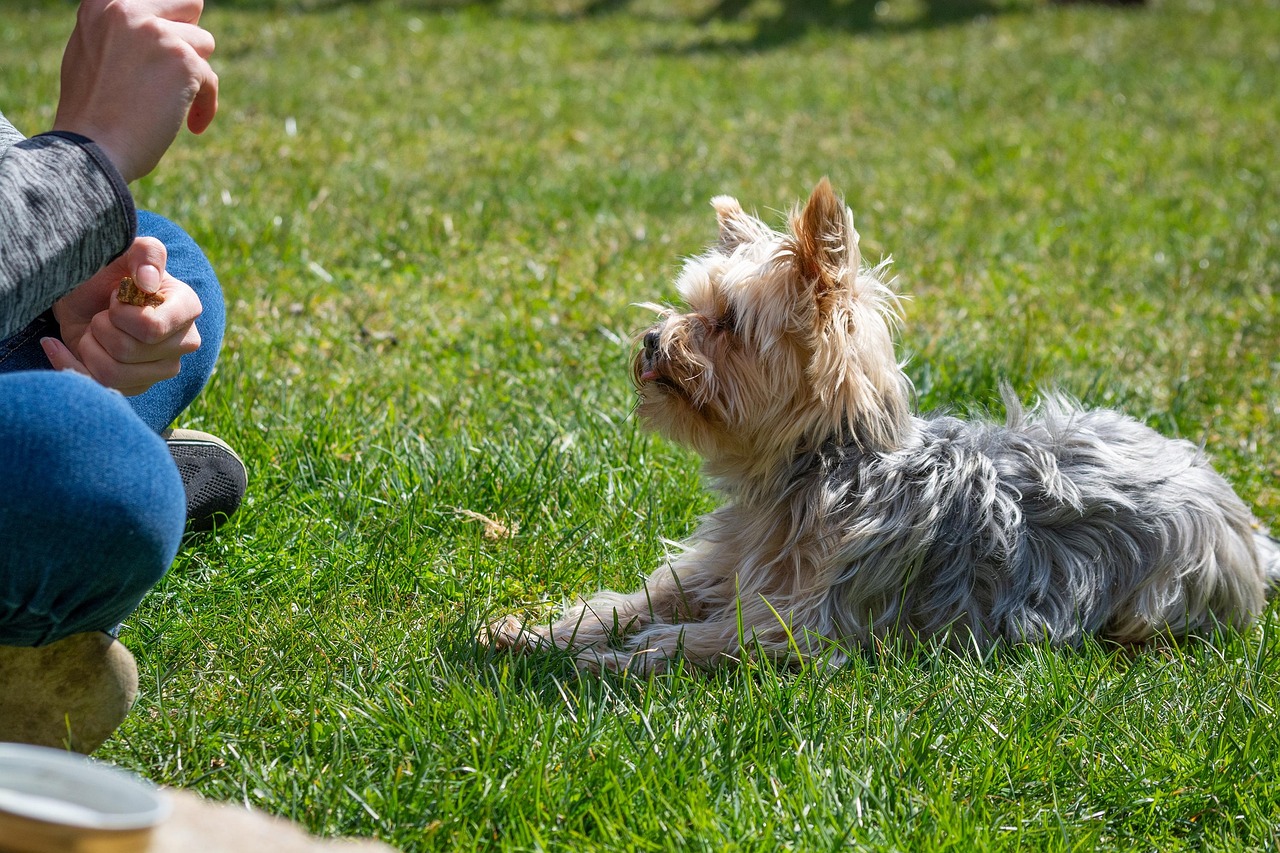
Most new puppy owners put off training. They assume the pup just needs time to settle in first. But here’s the hard truth: that wait is one of the most common mistakes people can make. We’ve seen firsthand how early training shapes the dogs that are easiest to live with — and how delayed training creates the problems that bring frustrated owners to us months (or years) too late. As a specialist in puppy training, here’s what the research tells us about when to start.
The Science Behind the Critical Window
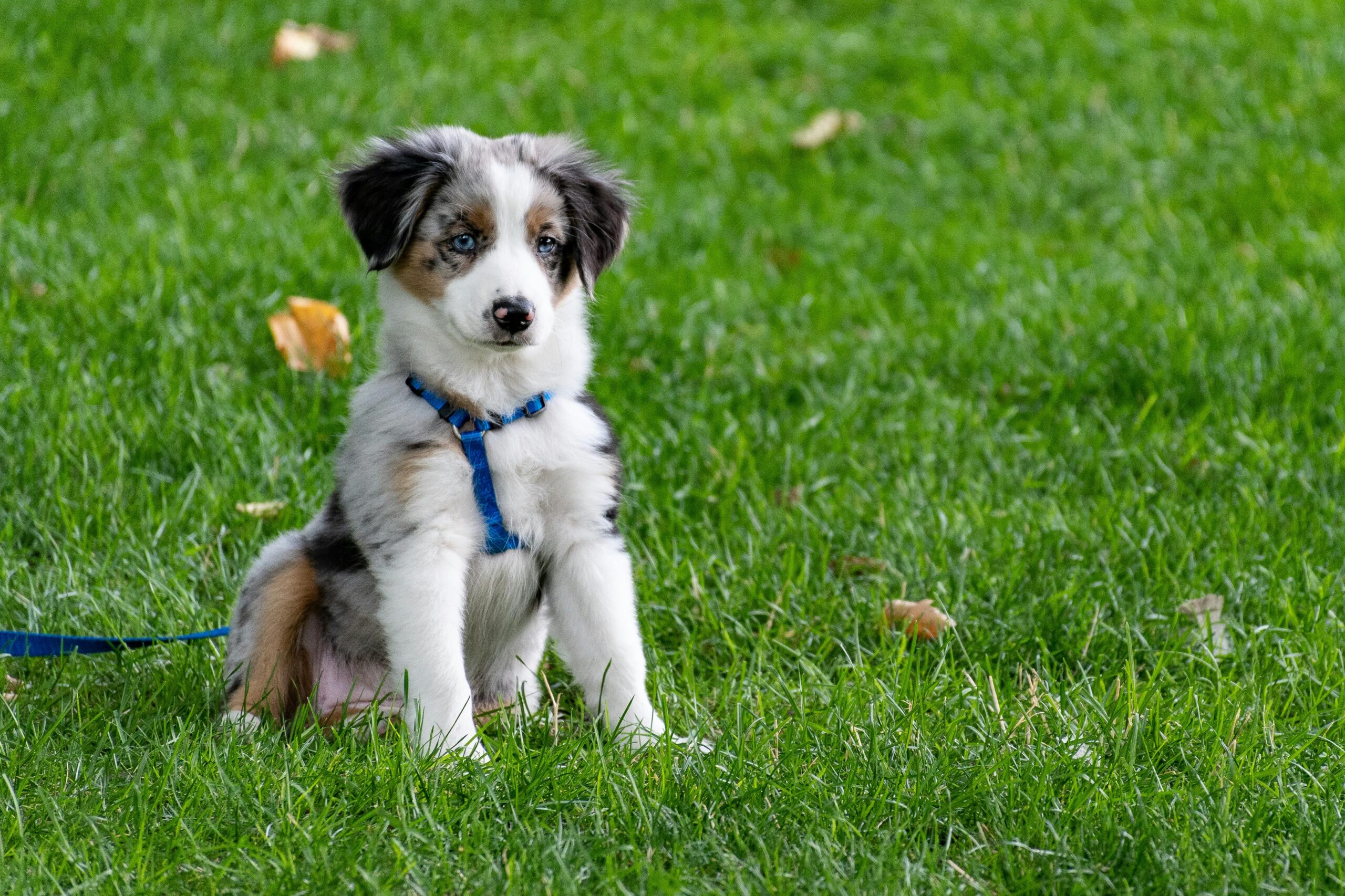
Canine behaviorists have identified what’s called the socialization window — the period between 3 and 14 weeks of age when a puppy’s brain is most receptive to new experiences and learning. During this window, everything a puppy encounters becomes part of their understanding of “normal.” Miss it, and you’re not just playing catch-up — you’re fighting habits that are already hardwired in.
This is why the American Veterinary Society of Animal Behavior recommends beginning puppy obedience training and socialization as early as 7 to 8 weeks of age — well before the vaccination series is complete. The risk of behavioral problems from under-socialization is considered greater than the risk of disease exposure in controlled, clean training environments.
Start training a puppy the day you bring them home — not the day the problems start.
Most people think of puppy training as teaching commands. But real training during these early weeks is about exposure, routine, and trust. The commands come easily once the foundation is in place. Skip the foundation, and every command becomes a negotiation. The window is short. What you do inside it matters enormously.
What Commands Should I Teach My Puppy First?
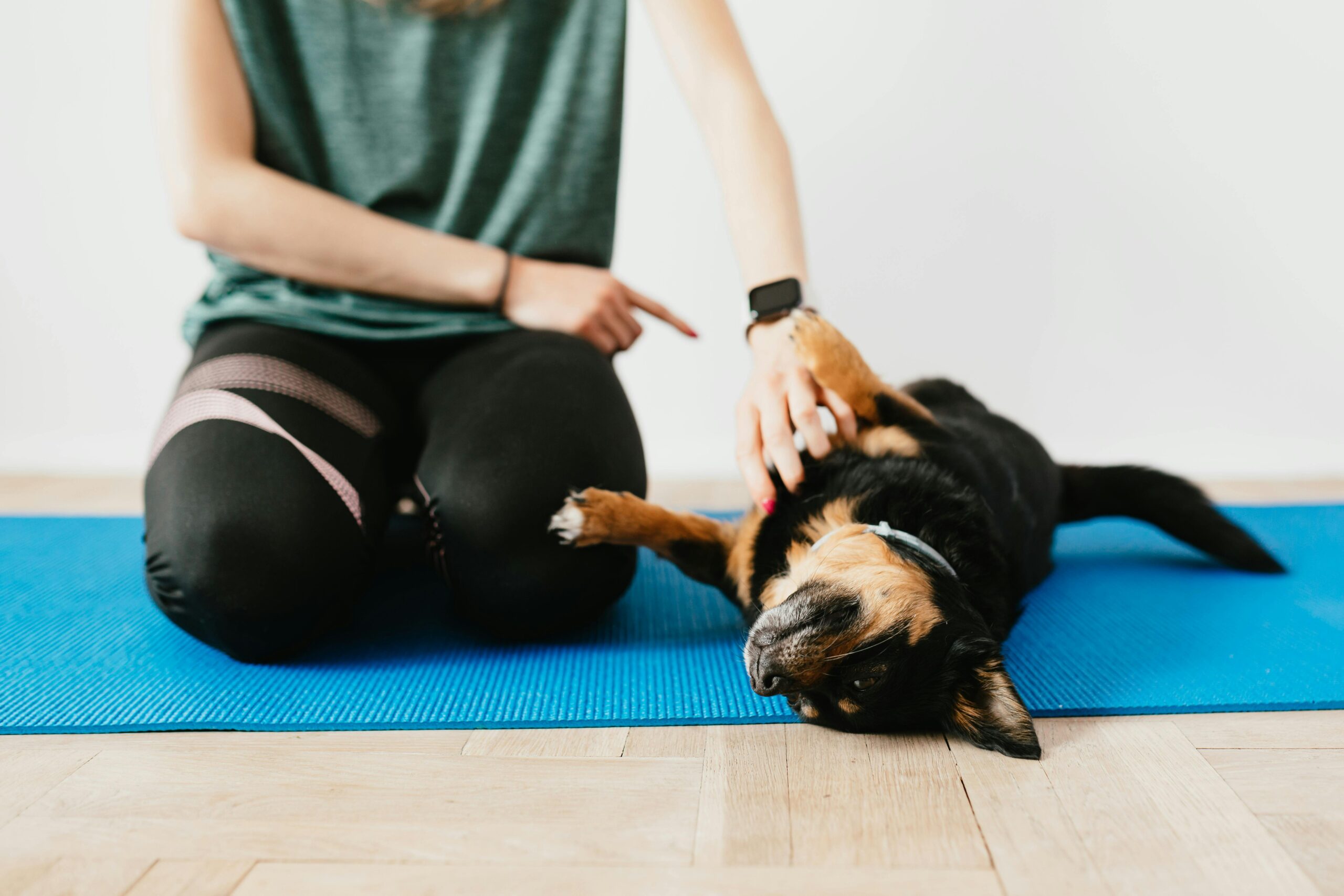
The answer isn’t as complex as people expect. Young puppies thrive on simplicity and repetition. Start with the commands that build the most trust and safety: Sit, Come, Stay, Leave It, and No. These five form the core of how to train a puppy with basic commands — and they create the communication framework everything else is built on.
Puppies have short attention spans — and the younger they are, the shorter. Keep sessions brief, positive, and consistent. In the early weeks, one command per session is plenty. Push too much too soon, and you’ll create confusion, not progress.
As part of our puppy obedience training approach, we always pair command introduction with impulse control exercises — teaching puppies to pause, look to you, and wait before acting. This is what separates a puppy that knows “Sit” in the living room from one that sits reliably at a busy intersection.
Puppy Training Schedule by Age: A Simple Framework
How much time should you train your puppy a day? Less than you think — but more consistently than most owners manage. Here’s a practical puppy training schedule by stage to guide you:
- ✓ Early stage: Start with short, frequent sessions. Focus on name recognition, Sit, and Come. Use high-value treats and always end on a positive note.
- ✓ A few weeks in: Gradually extend session length. Add Stay and Leave It, begin leash and crate introduction, and slowly introduce mild distractions.
- ✓ A couple months in: Reinforce all basic commands across new environments. Introduce Down and begin controlled socialization — different people, sounds, and surfaces.
- ✓ Later puppyhood: Sessions can run longer. Focus on duration, distance, and distraction for every command. Training starts to look like real obedience at this stage — but consistency is still non-negotiable. A few skipped days can undo weeks of work.
How Much Time Should You Train Your Puppy a Day?
The most common mistake isn’t training too little — it’s training inconsistently. Here’s the principle that separates owners who get results from those who don’t: three short daily sessions beat one long weekly class every time. Here’s a breakdown of what to focus on:
- ✓ Keep it short. Young puppies lose focus fast. A 5-minute session where they succeed repeatedly does more than a 30-minute session that ends in frustration. When training a puppy, quality of attention matters far more than quantity of time.
- ✓ Train every day, not just when it’s convenient. Puppies learn through repetition and pattern. Skipping training days doesn’t just slow progress — it confuses the dog about what the rules actually are. Daily repetition is what converts “sometimes does it” into “always does it.”
- ✓ Use mealtimes as training sessions. You’re already feeding your puppy twice a day. Feed each kibble piece as a reward for sitting, waiting, or responding to their name. This turns routine moments into structured reinforcement without adding time to your schedule.
- ✓ End on success, not exhaustion. Always finish a training session by asking for something the puppy already knows well, rewarding it generously, and stopping there. This builds a positive association with training that compounds over time. The pup who loves training sessions is the pup who learns fastest.
Professional Puppy Training in Phoenix, AZ
Home training is essential — but there are things a professional brings that no YouTube video can replicate. The right trainer reads your specific puppy’s temperament, adjusts in real time, and catches subtle patterns of avoidance or anxiety before they become entrenched habits. When looking for puppy training, look for results that hold up beyond the training environment, not just a dog that performs in a controlled setting.
At Ironwood Dog Training, our puppy obedience training programs are built around the science of early development — not generic group classes or cookie-cutter schedules. Every puppy is different. Every household is different. Our programs are structured to match both, and to give you the tools to maintain what we build long after training ends.
Ready to Start the Right Way?
Our puppy obedience training programs in Phoenix are built around science — customized to your puppy and your household.