Dog Training · Phoenix, AZ
Board & Train: What It Is, How It Works, and Whether It's Right for Your Dog
You've probably heard the term "board and train" tossed around — maybe from a friend who swears by it, or from a late-night scroll through Instagram where a trainer showed off a dog that went from chaos to calm in just a few weeks. It sounds almost too good to be true. But board and train, when done well, is one of the most effective tools in dog training.
The key phrase there is when done well. Because not all programs are the same, and the difference between a quality board and train and a harmful one comes down to the methods being used, the credentials of the trainer, and how well they set you — the owner — up to maintain progress once your dog comes home.
At Ironwood Dog Training in Phoenix, we want families to make informed decisions. So here's a comprehensive, honest look at what board and train really involves — from the science behind it to what a typical day looks like, to the questions you should be asking before signing up for any program.
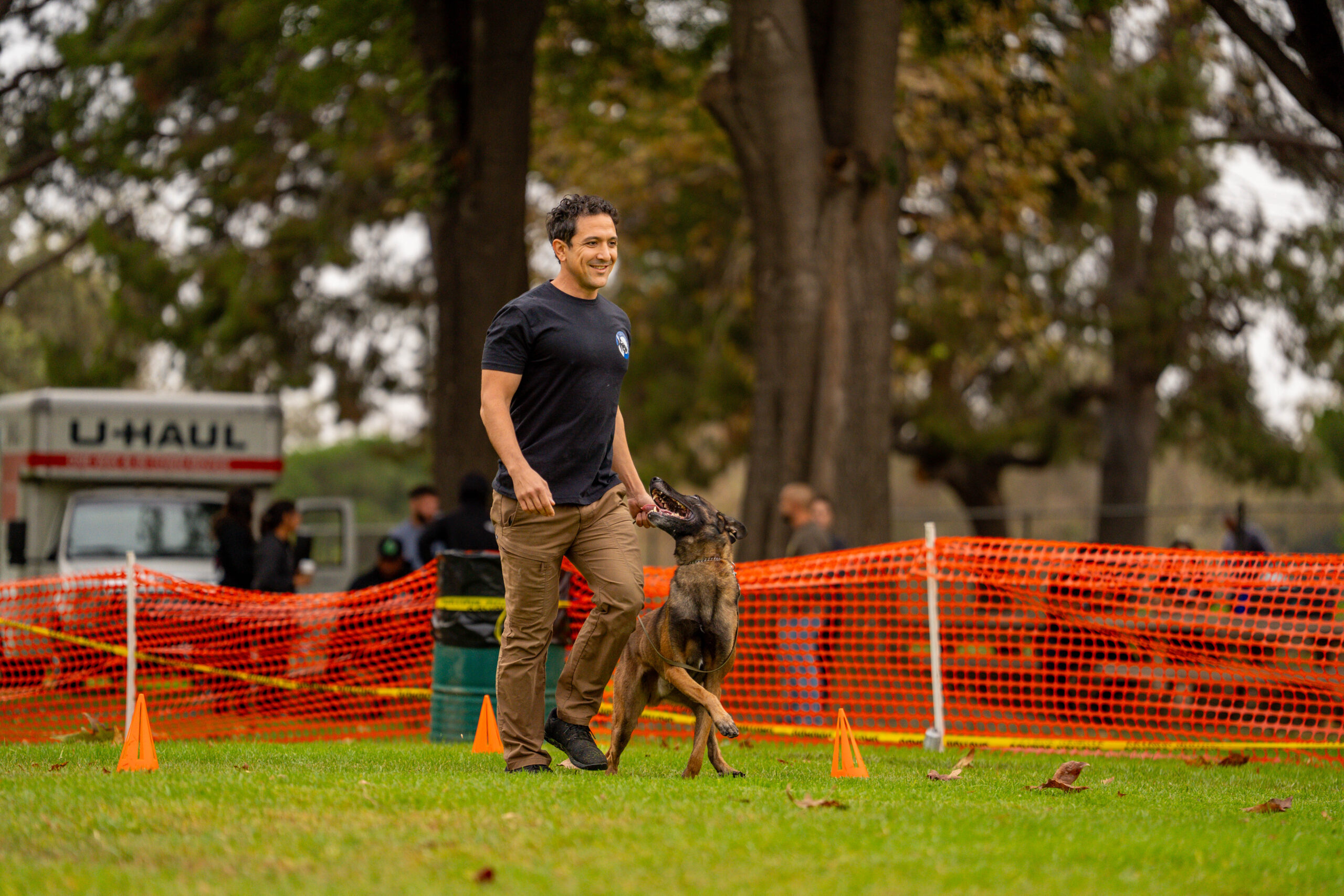
Professional training in action — Ironwood Dog Training, Phoenix, AZ.
What is board and train, exactly?
Board and train — also called residential training — is a program where your dog lives with a professional trainer for a set period of time. Rather than coming in once a week for a session, your dog is immersed in a structured training environment every single day.
That immersion is the whole point. Dogs learn through repetition and reinforcement. When a behavior gets practiced consistently, across multiple situations, multiple times a day, it starts to become second nature. One session a week simply can't replicate that kind of volume — which is why board and train can produce results that would otherwise take months of weekly lessons.
During the program, the trainer works on whatever goals were identified upfront: basic obedience, leash manners, impulse control, reactivity, or specific problem behaviors. The dog isn't just being babysat — they're actively learning, every day.
How dogs actually learn — and why it matters
Before you choose any training program, it's worth understanding the basics of how dogs learn. This isn't academic — it has direct, practical implications for the kind of results you can expect and how your dog will feel about training.
Dogs learn through association and consequence. When a behavior is followed by something the dog finds rewarding, they're more likely to repeat it. When it's followed by something unpleasant or neutral, they're less likely to. That's behavioral science in a nutshell — and it's the foundation of everything we do at Ironwood.
"Positive reinforcement isn't just a philosophy — it's the most well-supported method in the behavioral science literature. Dogs trained with reward-based methods show higher engagement, faster learning, and significantly lower stress indicators than dogs trained with aversive tools or correction-based methods."
Programs that use punishment, prong collars, e-collars as a primary training tool, or intimidation may suppress certain behaviors — but at a cost. Dogs trained this way often become anxious, avoidant, or shut down. They may comply in the presence of the trainer but fall apart at home. That's not a trained dog. That's a stressed one.
Our board and train programs are built entirely on positive reinforcement. Every skill is taught by rewarding the behavior we want, building a dog that chooses to engage, chooses to focus, and genuinely enjoys the process. That matters not just for your dog's wellbeing — it matters for how lasting the results are.
"A dog that works because they want to is more reliable than a dog that works because they're afraid not to."
What can board and train address?
Board and train is particularly effective for issues that require consistent daily repetition to resolve. Here are some of the most common things we work on:
Sit, down, stay, recall, leave it — built through hundreds of repetitions across real-world situations, not just a quiet living room.
Structured, graduated exposure to triggers helps dogs learn to stay calm and focused instead of lunging or barking.
Teaching dogs to pause, check in, and make better decisions around food, doors, other animals, and distractions.
Systematic desensitization in a new environment can help reset anxious patterns — though this requires a tailored approach.
Getting puppies started on the right foot with socialization, crate training, bite inhibition, and early obedience skills.
Greeting people calmly, not counter-surfing, not bolting out the door — the daily-life stuff that makes living with a dog easier.
What does a typical day actually look like?
This is one of the questions we get most often — and it's a good one to ask any trainer you're considering. A well-run board and train program has a clear structure. At Ironwood, a typical day looks something like this:
- Morning exercise and enrichment — a tired dog is a focused dog
- First training session: working on the current week's target behaviors in a low-distraction setting
- Midday rest, play, and recovery time — dogs need downtime to consolidate learning
- Afternoon session: practicing the same skills in a more distracting environment to build generalization
- Evening wind-down with calm reinforcement of settled, relaxed behavior
- Daily notes and progress updates sent to the owner
The progression across the program is intentional. We start in controlled environments and gradually add distractions, distance, and duration — the three D's of reliable behavior. By the end, your dog isn't just performing behaviors in a quiet training space. They're doing it reliably in the real world.
The part most people don't expect: your role after pickup day
Here's something we tell every family before their dog comes to stay with us — and we mean it sincerely, not as a disclaimer: the most important training often happens after the program ends.
Your dog will learn a tremendous amount during their time with us. But dogs don't automatically transfer what they've learned in one environment to every environment. It's called generalization, and it's one of the most well-documented phenomena in behavioral science. A dog who sits reliably in our training yard may not automatically sit reliably in your kitchen, or at the park, or when a guest walks through the door.
That's not a failure of the training. It's just how dogs work. And it's exactly why our board and train programs include a thorough handoff session — not a quick five-minute walkthrough, but a real session where we teach you how to cue each behavior, how to reward effectively, and what to do if things start to slip. We also follow up afterward to make sure the transition is going smoothly.
Your consistency at home is what takes the skills from "things my dog does with the trainer" to "things my dog does everywhere, reliably." We'll make sure you feel confident doing exactly that.
How to evaluate a board and train program
If you're considering board and train anywhere in the Phoenix area — whether with us or someone else — here are the questions worth asking:
- What training methods do you use? (Look for positive reinforcement; be cautious of vague answers)
- What are your credentials and educational background?
- Can I see videos or progress updates during the program?
- What does the handoff process look like when my dog comes home?
- Is there follow-up support after the program ends?
- Can you explain what a typical day looks like for my dog?
- Where will my dog sleep and who has direct care responsibility?
A reputable trainer will welcome these questions. Anyone who gets defensive about transparency is a red flag. You're trusting someone with your dog — that trust should be earned clearly and openly.
Is board and train right for your dog?
Board and train is a strong fit in a number of situations. It tends to work especially well when:
- Your schedule makes consistent weekly sessions difficult
- You have a specific behavioral issue that needs intensive, daily work
- You want to give a new dog or puppy a solid foundation quickly
- Previous training hasn't stuck because of inconsistency at home
- You want professional help to get a dog through a specific developmental phase
That said, it's not the right fit for every dog. Some dogs — particularly those with severe generalized anxiety, attachment disorders, or certain medical conditions — may do better with private in-home sessions or a hybrid approach. We'd rather tell you that upfront than put a dog into a program that won't serve them well.
When you reach out to us, we'll have a real conversation about your dog: their history, their specific behaviors, your goals, and your lifestyle. From there, we'll give you an honest recommendation — even if that recommendation is something other than board and train.
Common questions
How long does board and train take?
The duration depends on your dog's starting point and the goals of training. Reach out and we can talk through what makes sense for your specific situation.
Will my dog miss me?
It's a completely natural thing to wonder. Most dogs adjust within the first day or two, especially when they're in a calm, enriching environment with consistent structure. We keep things low-stress and make sure every dog feels safe and settled.
What if my dog has never been away from home?
That's very common. We work with dogs of all experience levels, including those who've never been boarded or away from their owners. The structured routine actually helps many dogs settle in quickly.
Do you work with all breeds?
Yes. We work with dogs of all breeds, sizes, and ages — from high-drive working breeds to small companion dogs. Our science-based approach is breed-agnostic because the fundamentals of how dogs learn don't change based on breed.
What happens if my dog doesn't make the progress expected?
We communicate with you throughout the program — you won't be left in the dark. If something isn't working the way we anticipated, we adapt and we talk to you about it honestly. Transparency is non-negotiable for us.
Ready to talk about your dog?
We serve Phoenix and the surrounding areas. Reach out and let's figure out what training path makes sense for your dog's specific needs.
Get in touch